
Solar Information
Get accurate, independent guidance before you invest in solar. Learn the facts, avoid the hype, and make informed decisions.
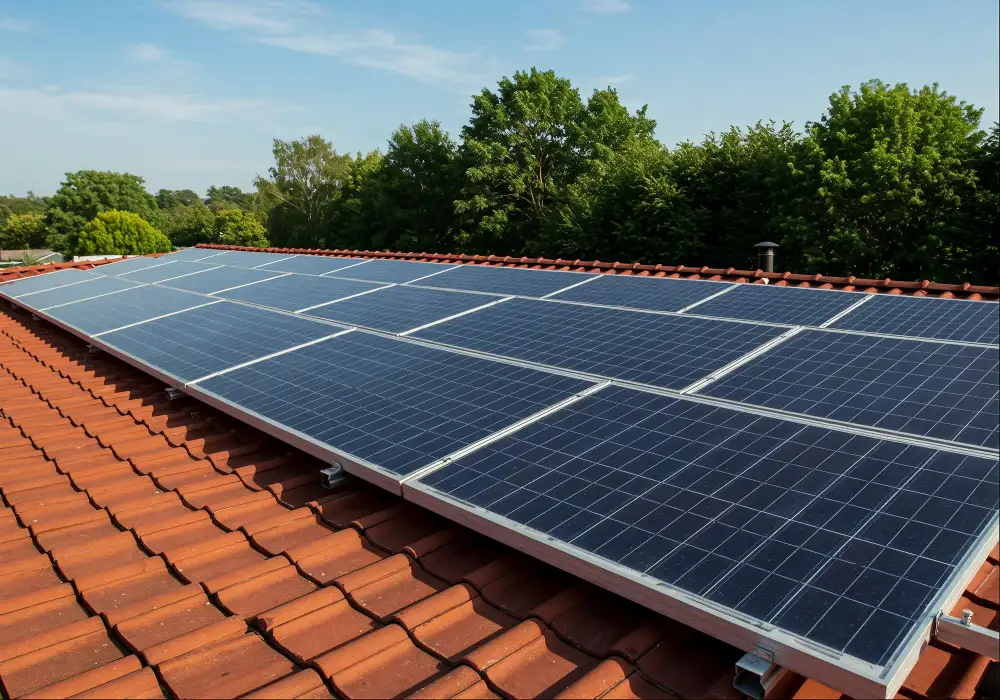
Why Trusted Information Matters
- Protect Yourself from Sales Pressure
- Ensure Long-Term Efficiency
- Avoid Costly Mistakes
- Understand What You’re Paying For
Why Trusted Information Matters
Work with confidence. NETCC Approved Sellers follow strict consumer protection standards to deliver honest, high-quality energy solutions.
Strict Consumer Protection Standards
No Misleading Sales Tactics
You’re guaranteed honest advice without pushy or deceptive sales pressure.
Transparent Pricing & Contracts
Full clarity on system costs, inclusions, warranties, and no hidden fees.
Verified Product & Installer Quality
After-Sales Support & Service
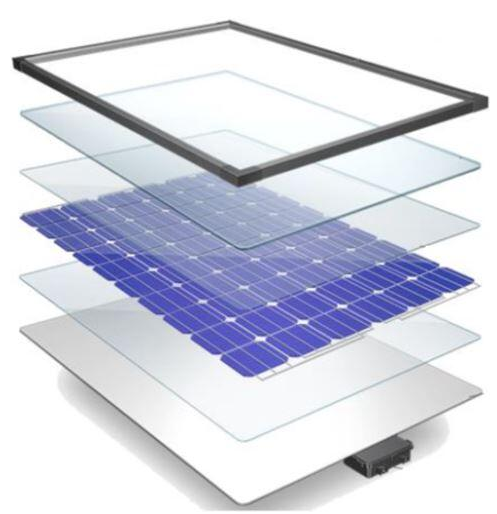
Panel Anatomy: Layer-by-Layer
1. Aluminum Frame
The outermost boundary of the panel. It provides structural rigidity, protects the glass edges from impact, and allows for secure mounting to rooftops or ground racks.
2. Tempered Glass
A high-transparency, heavy-duty top layer. Engineered to withstand the extreme weather found in Australia whilst allowing maximum sunlight to reach the internal cells.
3. Encapsulant (EVA – Top Layer)
A thin sheet of Ethylene Vinyl Acetate (EVA). This “glue” layer bonds the glass to the solar cells, providing a waterproof seal and protecting the cells from vibration or thermal shock.
4. Solar Cells
The heart of the panel. These semiconductor wafers (typically silicon) capture photons from sunlight and convert them into electricity via the photovoltaic effect.
5. Encapsulant (EVA – Bottom Layer)
A second layer of EVA that mirrors the top. It ensures the solar cells are completely “sandwiched” and insulated from moisture or oxygen, which could cause corrosion over time.
6. Back Sheet
The final rear barrier. Usually made of a robust polymer, it provides electrical insulation and prevents humidity from entering the back of the panel, ensuring the system remains durable for decades.
7. Junction Box
Located on the rear of the panel is the electrical hub. It houses the bypass diodes that manage power flow and output cables that connect the panel to the rest of the solar array.
Frequently Asked Questions
Have questions? We’ve got answers. Below are some of the most common queries our customers ask. If you need more help, feel free to contact us anytime.
In most cases, customers begin to see noticeable savings within the first billing cycle after our solution is implemented.
Not necessarily. Our experts will assess your current system and offer upgrades or adjustments only if they provide real value and savings.
Yes! We offer tailored energy-saving solutions for both residential and commercial properties
No. We believe in transparency — there are no hidden charges, and you are never locked into any long-term commitment.
Simply visit our Contact Page or click the “Get a Free Quote” button. One of our experts will reach out shortly.