
N Series Solar Panels
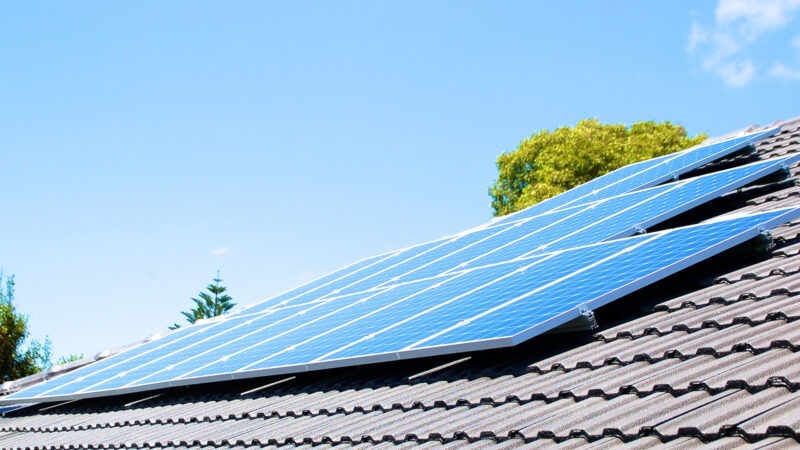
Solar panel efficiency has increased substantially over the last year or two, with most manufacturers offering more power per panel in the same size frame. Now over 350w of energy per panel should be usual for all equipment lists, or its old inventory. This does not increase the customers optimal system size, just the number of panels on the roof will be less to get the same output. More importantly for our customers, the increase in volume production means the longer lasting N series technology is replacing the older P series, without increasing panel cost. What is “P”series? There are detailed technical explanations at the link below. Essentially, it means more energy efficiency, less degradation per year for longer system life.
Solar Panels Face North East West
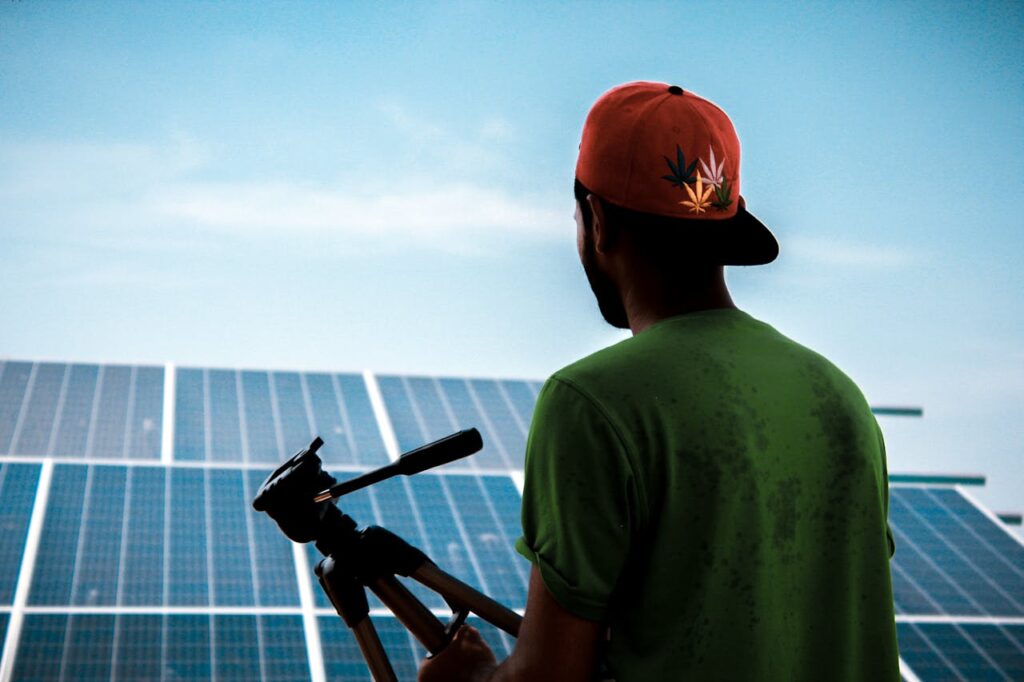
A good, ethical installer and designer are really your best friend in your decision making. They are out there but get recommendations from friends or go to somewhere like SolarQuotes.com.au as this is by far the biggest source of referrals and feedback in Australia.
These notes are general and based on Melbourne so it will be slightly different for your location.
How much should I pay for a solar system?
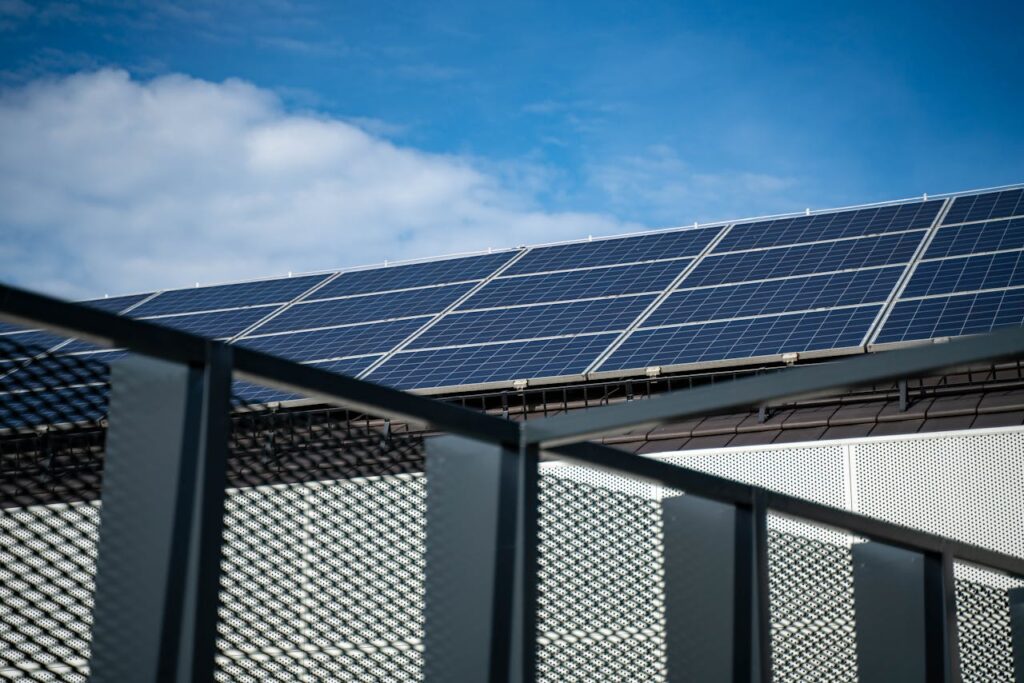
While not the answer you want, there are just too many variables to give a simple answer. And comparing your quote to someone else’s isn’t helpful without knowing their exact circumstances and the equipment proposed.
This blog will give you some information that hopefully lets you make an informed decision.
A well designed and installed system should last more than 25 years and be an extremely reliable clean power source. Saving some dollars on the installation is very often a mistake that comes back to haunt buyers. When it stops working, you stop saving.
Net Zero Carbon Emissions
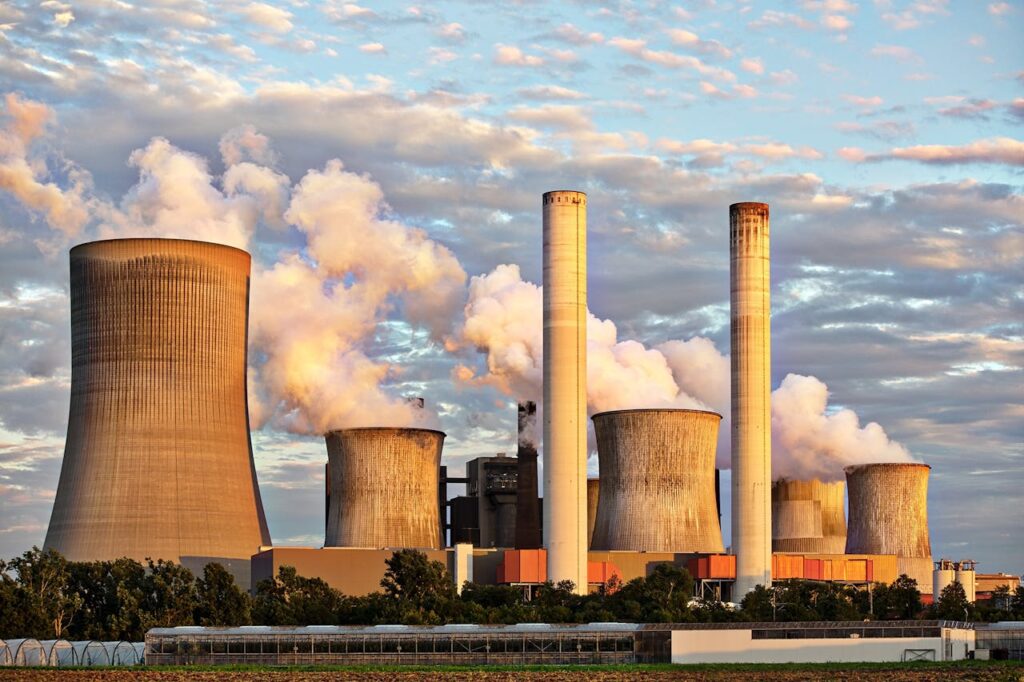
Over the years as it’s become obvious to any thinking person that global warming due to human activities is having devastating impacts around the world, many governments and some global companies have made commitments to reducing their contributions to the problem.
We have had numerous inter-governmental summits (Kyoto, Rio, Paris) and annual conferences where lots of people spend lots of time committing lots of money to doing lots of things to slow down global warming.
Can I trust my solar installer?
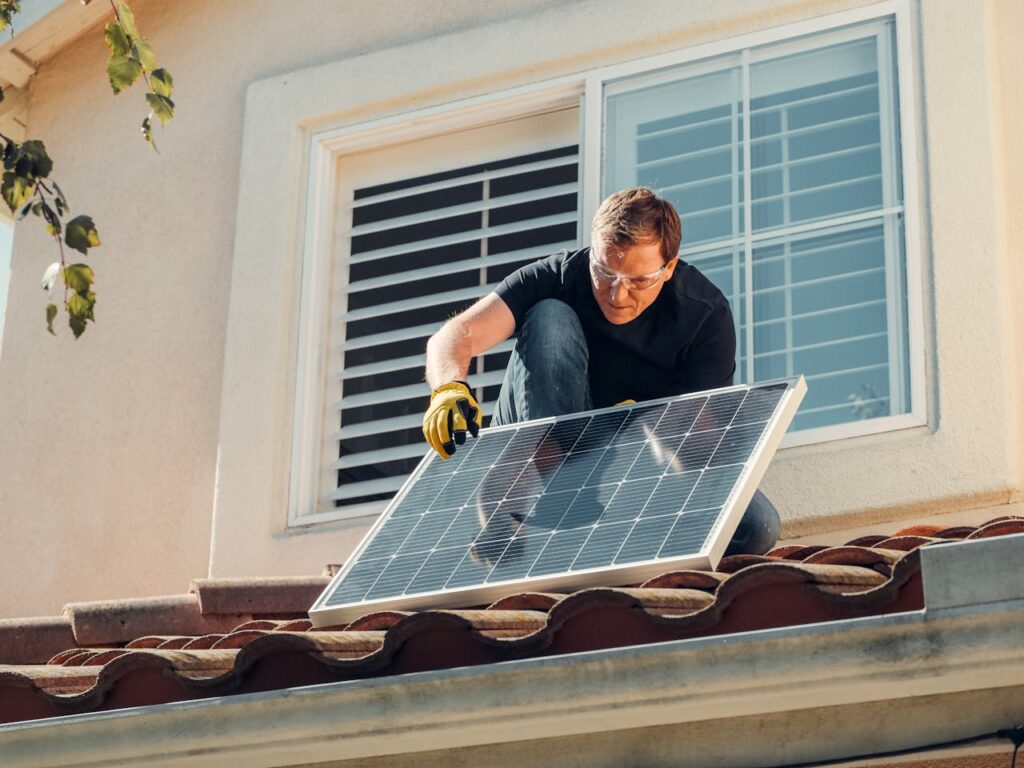
Over 2.5 million Australian homes and businesses have solar panels and on the whole, most are working fine.
However, like many industries with government subsidies, there are businesses and individuals who want to “game” the system or take advantage of consumers who lack the knowledge to make a good choice.
So how do you avoid the “cowboys” and con-men to ensure you get a quality solar system at a fair market price?
How can your business reduce its carbon footprint?

Shrinking your footprint at home, can be simple lifestyle choices and habits. Shopping better and recycling more.
In the office, managers often don’t know where to start to shrink the corporate footprint as there are so many more moving parts. A move towards carbon zero requires a more organized regime, with annual KPI targets and audits. Sometimes customer pressure to go greener can be a huge driver. For example, large supermarket chains like Coles and Woolworths will ask their supply chain what they are doing to lower their carbon footprint. Business managers need to have answers and a bold plan or they could miss out on business in favour of a greener supplier.
Our carbon cup runneth over!

Multi-national corporations have only in the last year or two have stepped up rhetoric and action to lower their carbon footprint and are in many cases participating in the voluntary carbon offset market. But is this a genuinely effective strategy or “greenwashing?”
Soil Carbon Farming
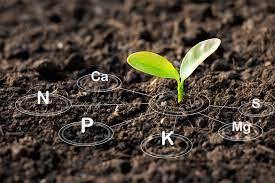
As a landowner you have hopefully profited from what you grow on your land, whether it’s livestock or crops. It’s been a lot of blood, sweat and tears with many environmental challenges you didn’t expect.
But have you ever thought that under your feet is a microscopic crop that could yield 1000% or more return from your investment? It’s drought resistant and government backed; Soil Carbon.
What is a soil carbon programme?
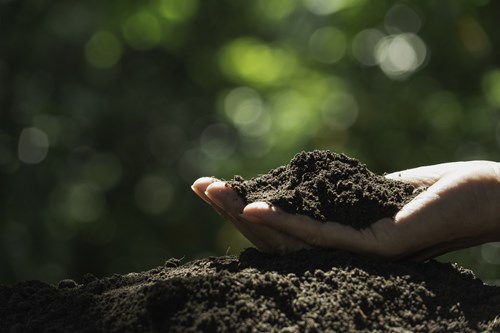
Soil carbon sequestration is a naturally occurring process that involves atmospheric carbon dioxide capture and storage in soils. Carbon atoms constantly move from the atmosphere to the Earth and then back to the atmosphere. The world’s soil, along with forests and oceans, is a major carbon sink—it has the ability to absorb and store massive amounts of carbon from the atmosphere. Because our planet and its atmosphere are a closed environment, the amount of carbon in this system does not change. Where the carbon is located, however, in the atmosphere or on Earth, is constantly changing. Since the industrial revolution, human activities, including conversion of grasslands and other ecosystems to industrial agriculture uses, have degraded soils and led to the release of billions of tons of carbon from soils into the atmosphere.